
First, there are situations with significant load fluctuations and the need for precise speed control. In such scenarios, traditional fixed-speed motors can only operate at full load or be shut down, which often leads to energy waste or failure to meet demands. For instance, in industrial production, the flow requirements of pumps and fans often change with the production process. Variable frequency motors can precisely match the speed through frequency converters, avoiding the ineffective energy consumption of “a large horse pulling a small cart”, while ensuring stable flow and pressure. Another example is the operation of elevators, which require frequent speed adjustments from starting acceleration to smooth operation and deceleration to stop. Variable frequency motors can achieve smooth speed regulation, reduce start-stop shocks, and enhance riding comfort.
The second situation is where soft starting and reduction of starting current are required. When traditional motors start directly, the starting current is usually 5 to 7 times the rated current, which can cause a shock to the power grid and even affect the normal operation of other equipment on the same grid. However, variable frequency motors can achieve soft starting through frequency converters, with the starting current controlled within 1.5 times the rated current. This is particularly suitable for high-power equipment and scenarios with limited grid capacity, as it not only protects the power grid and equipment but also extends the service life of the motor.
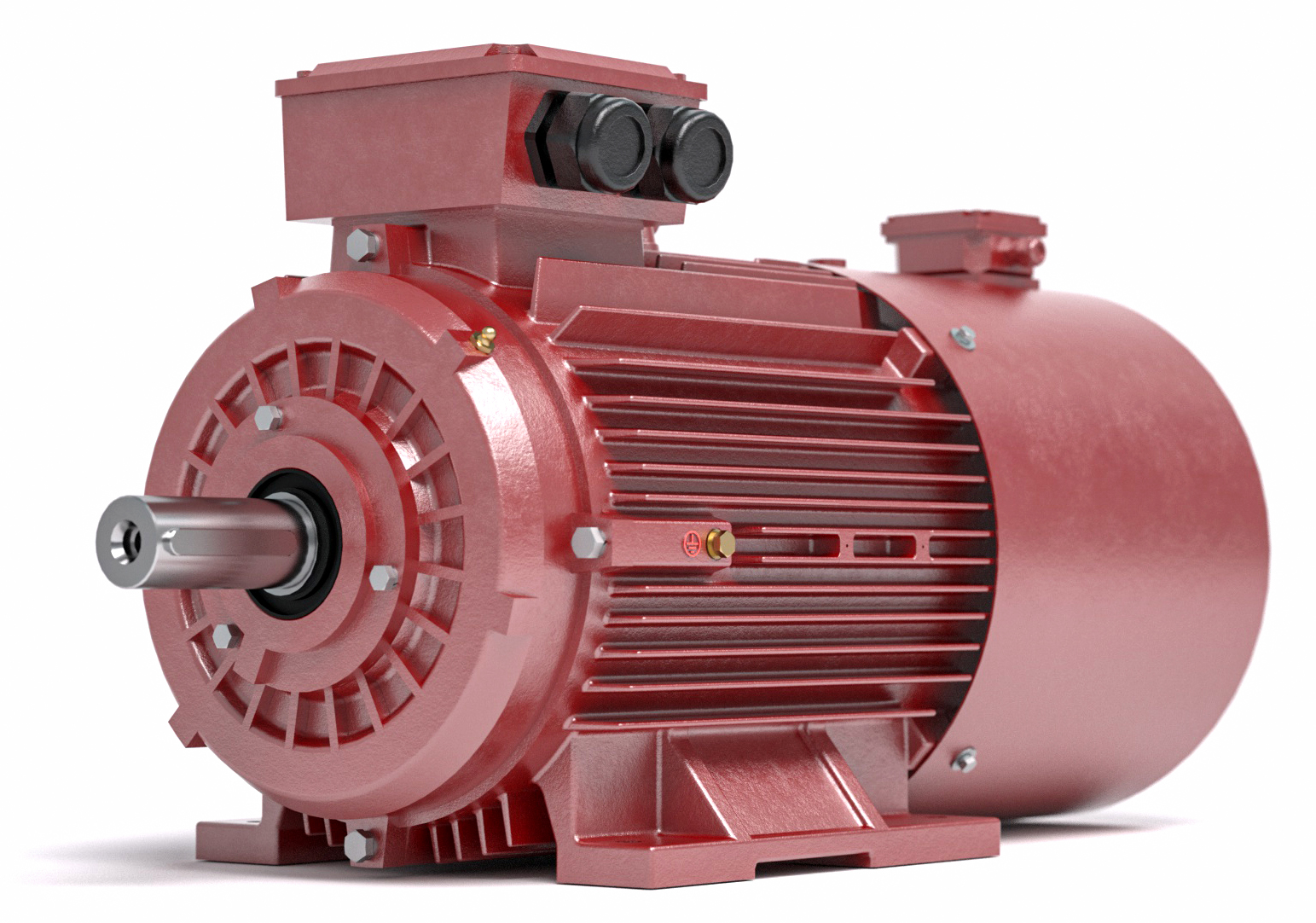
Another aspect is the need for multiple speed settings and the replacement of mechanical speed control systems. Some equipment originally relied on mechanical devices such as gearboxes and speed control valves to achieve speed regulation. This not only has a complex structure and high maintenance costs, but also has the problem of significant mechanical losses. Variable-frequency motors can directly adjust the speed through electrical signals, without the need for additional mechanical components. For example, in machine tool processing, different processes (drilling, milling, grinding) require different speeds. Variable-frequency motors can quickly switch and have high speed regulation accuracy, improving processing quality. In addition, for central air conditioning systems, the cooling/heating requirements vary in different seasons and at different times. Variable-frequency motors can adjust the compressor speed as needed, which is more energy-efficient than the traditional fixed-speed motor combined with valve throttling, reducing energy consumption by more than 30%.
Post time: Jan-24-2026