
The influence of thermal corrosion on the performance of high-voltage motors. Temperature rise refers to the temperature of each component in electronic and electrical equipment that is higher than the ambient temperature. After a conductor carries current, it generates a thermal effect of current. As time goes by, the surface temperature of the conductor keeps rising until it stabilizes. The judgment condition for stability is that the temperature difference before and after at all test points within a 1-hour test interval does not exceed 2K. At this time, the difference between the temperature measured at any test point and the average ambient temperature in the last 1/4 cycle of the test is called the temperature rise, with the unit of K.
To verify the service life, stability and other characteristics of electronic products, it is common to test the temperature rise of their key components (such as the windings of motor products). The device under test is operated at a specific temperature higher than its rated operating temperature. After it stabilizes, the temperature rise of its components above the ambient temperature is recorded to verify whether the design of this product is reasonable.
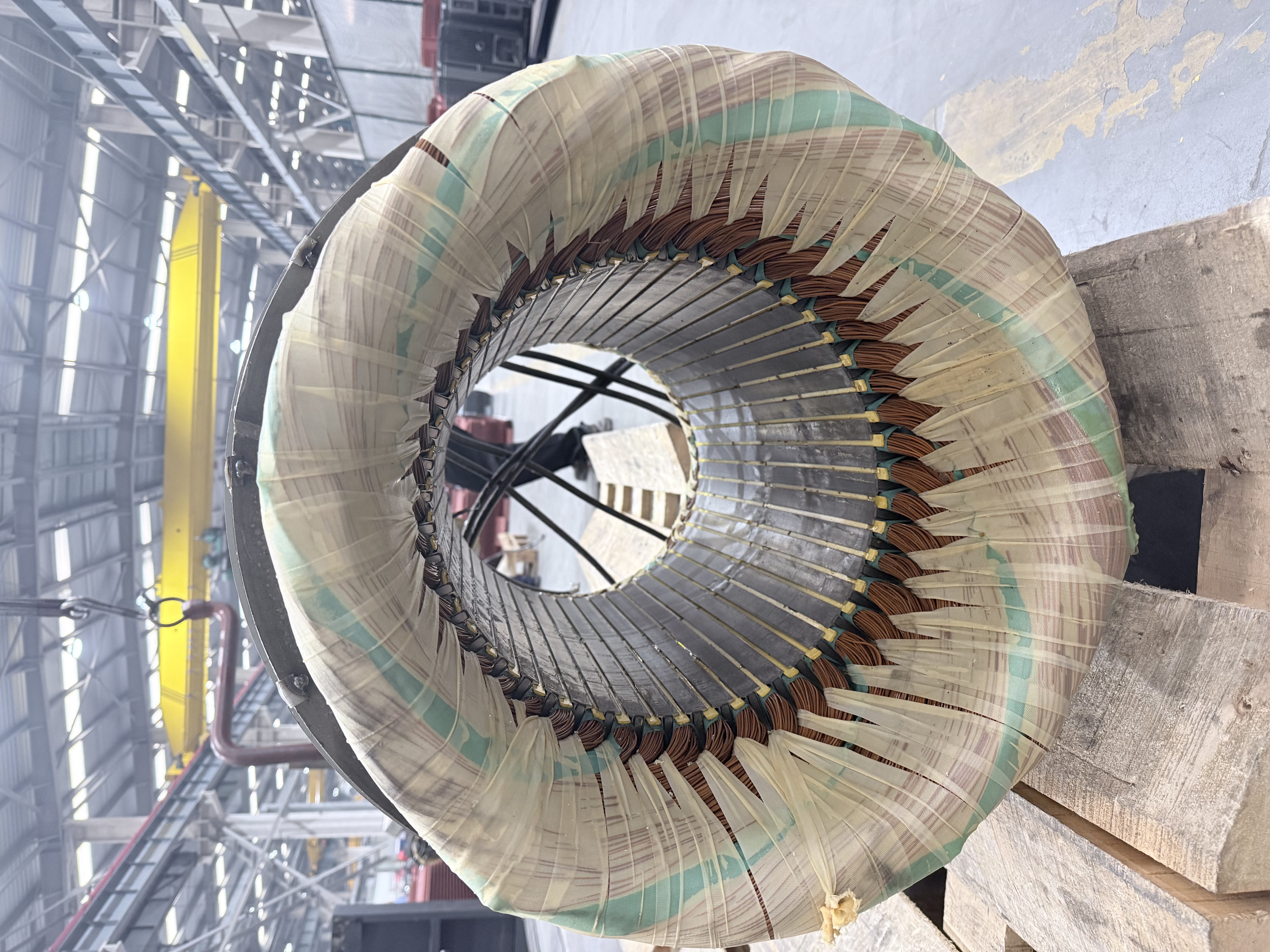
In electrical products, the rated temperature rise of an electric motor refers to the maximum allowable temperature rise of the motor’s windings under the specified environmental temperature as per the design. It depends on the insulation grade of the windings. The temperature rise is determined by the heat generation and heat dissipation conditions during the motor’s operation. Generally, the normality of the motor’s heat dissipation can be judged based on the temperature rise.
The motor temperature refers to the actual heating temperature of each part of the motor. It has a significant impact on the insulation materials of the motor. Excessive temperature can cause the insulation to age prematurely, shorten the motor’s lifespan, and even lead to insulation damage. To prevent the insulation from aging and being damaged, temperature limits have been set for various parts of the motor, including the windings. This temperature limit is the allowable temperature of the motor.
The temperature rise of the motor varies under different environmental conditions. When the environmental conditions are poor, such as in high-altitude areas or sealed environments, the temperature rise of the motor will increase. Therefore, for motors under different working conditions, necessary adjustments to the schemes should be made based on the actual situation.
Post time: Jan-30-2026