
Key point one: Adhere to the principle of constant U/f ratio. Below the base speed, the magnetic flux in the air gap of the motor is directly proportional to the stator voltage and frequency. The stability of the voltage-frequency ratio (U/f) directly determines whether the magnetic flux is constant. In control, voltage and frequency need to be adjusted simultaneously to strictly maintain the U/f ratio unchanged, avoiding torque drift caused by magnetic flux saturation or insufficiency. Additionally, for asynchronous motors, it is necessary to compensate for the stator voltage drop to counteract the impact of voltage drop in the low-speed range on torque accuracy and enhance the reliability of low-speed operation.
Core Key Point Two: Precise Control of Current Components. By leveraging the vector control architecture, the three-phase currents of the stator are transformed into dq coordinate system components. The q-axis current directly corresponds to the torque output and needs to be stabilized at the set value through closed-loop control. The d-axis current maintains a constant excitation to ensure the stability of the magnetic flux. At the same time, preset current limits are set to handle sudden load changes and startup conditions, avoiding the burning of power devices due to impact currents and ensuring smooth and shock-free torque output.
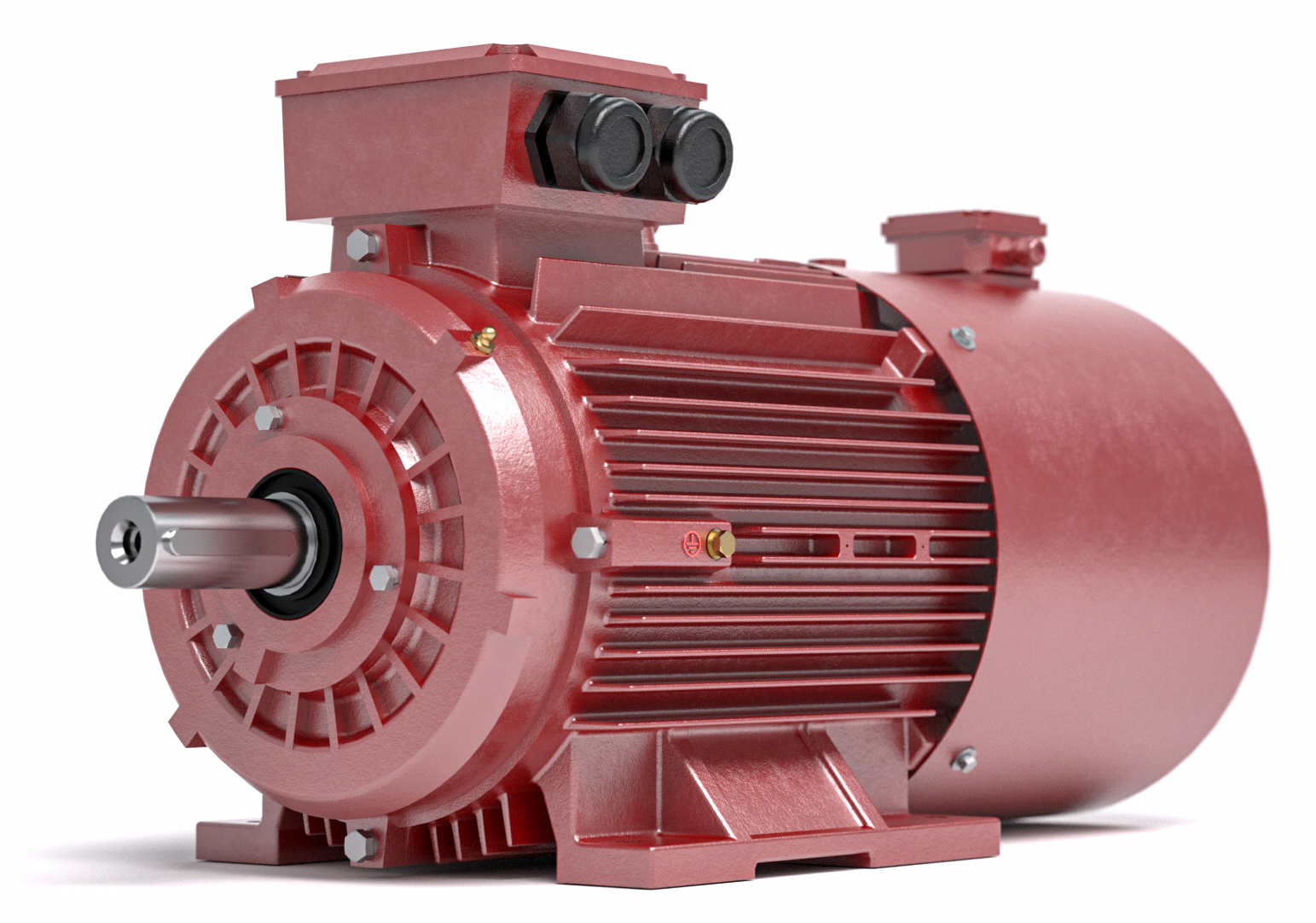
Core Key Point Three: Effective Disturbance Compensation and Adaptation to Operating Conditions. Real-time monitoring of parameters such as speed, load, and temperature is conducted. When the load suddenly changes, the voltage and current ratios are quickly adjusted to compensate for the impact of disturbances on the torque. For parameter drift caused by temperature increases, a dynamic calibration mechanism is provided to correct the deviations in resistance and inductance. The startup logic is optimized, and a soft-start method is adopted to reduce torque shock, achieving smooth startup in heavy-load scenarios and comprehensively ensuring the accuracy and stability of constant torque control.
Post time: Mar-13-2026