
Many construction sites and machine rooms face a common issue during renovation: limited space makes it impossible to install vertical pumps upright, so people often try laying them horizontally to save space and better fit the piping system. However, we must clearly state: standard vertical pumps cannot be directly installed in a horizontal orientation. Although this seemingly simple modification may appear convenient, it actually disrupts the pump’s operational balance, causing a series of malfunctions and significantly shortening the equipment’s service life.
First, lubrication failure will occur. The bearing lubrication system of vertical pumps is designed for vertical operation, relying on gravity to evenly distribute lubricant over key components such as bearings and shafts. When converted to horizontal installation, the oil level in the reservoir shifts, causing certain bearing positions to lose contact with the lubricant and resulting in dry running. Over prolonged operation, this leads to rapid bearing wear, overheating, and eventual seizure, ultimately causing abnormal pump noise, stalling, or even complete burnout. Initially, this may manifest as an increase in current.
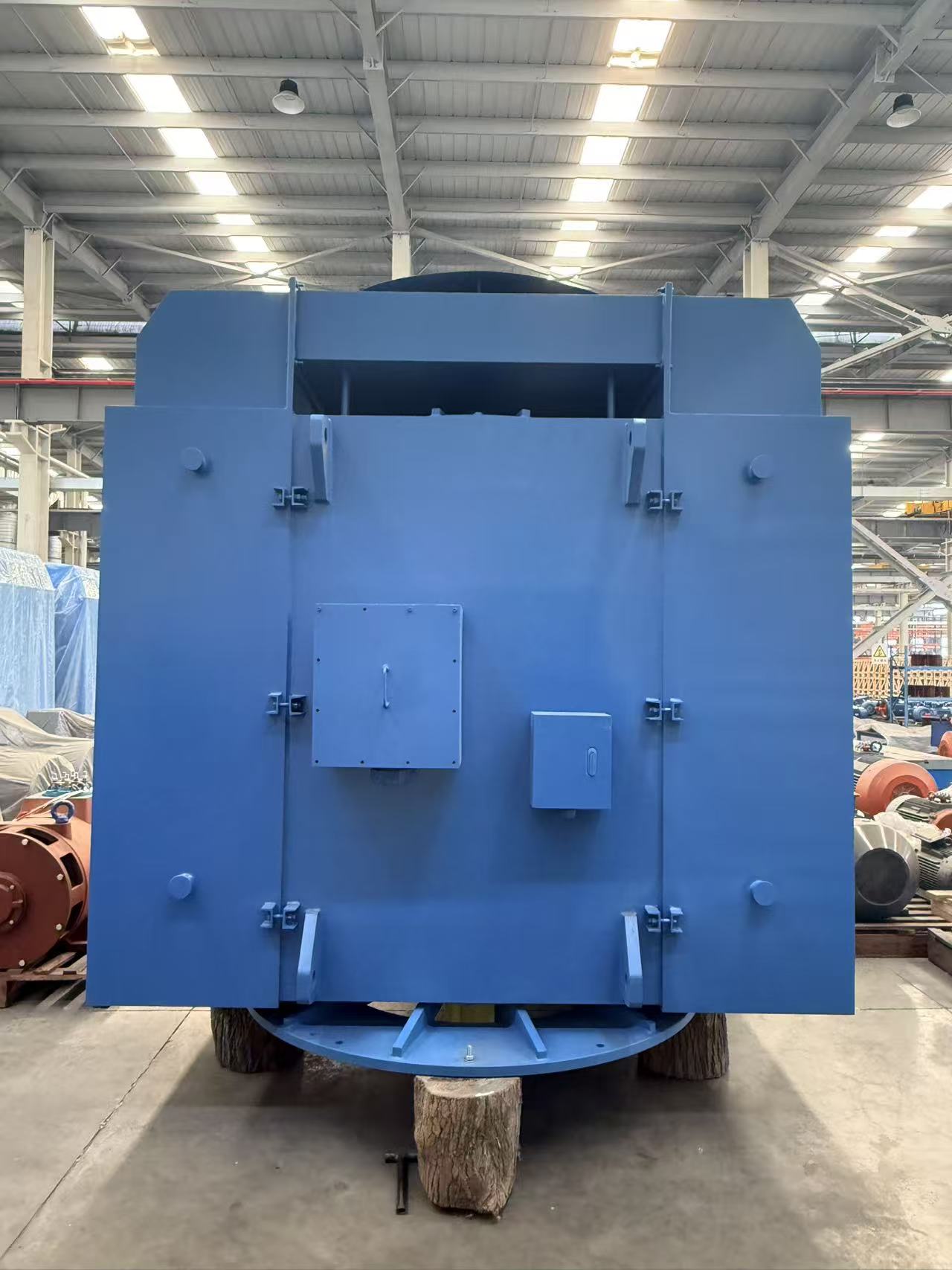
Secondly, the equipment suffers from severe imbalance in force distribution. The rotor and impeller of the vertical pump are subject to vertical force from their own weight and water pressure. The structural stability is extremely strong. After being installed horizontally, the force distribution changes completely, and the shaft will be subjected to lateral tension. During operation, vibrations and shakes intensify, which not only causes the pump body to loosen and water leakage in the pipeline, but also wears out the mechanical seal, leading to water seepage and dripping problems. The frequency of maintenance increases significantly. At the same time, it may cause air blockage and cavitation faults. The exhaust structure of the vertical pump is suitable for vertical installation. After being placed horizontally, air is prone to accumulate inside the pump body and cannot be discharged, forming an air blockage, resulting in weak water output, unstable water pressure, and frequent idling of the pump. Long-term cavitation will damage the impeller, causing a significant decrease in pump flow and head, and greatly reducing the operating efficiency, increasing energy consumption costs. In addition, the air duct for heat dissipation of the motor is misaligned, which will lead to uneven heat dissipation and excessive temperature, accelerating the aging of the wiring, and posing risks of short circuits and motor burnout. In conclusion, converting from vertical to horizontal installation is an illegal modification with extremely high risks. If the on-site space is limited, the optimal solution is to replace with a suitable horizontal dedicated water pump. Do not undertake unauthorized modifications and avoid equipment failures and safety hazards.
Post time: May-27-2026