
Industrial manufacturing facilities worldwide face unprecedented pressure to upgrade their power drive infrastructure as energy consumption regulations tighten. Global energy mandates increasingly require factories to replace obsolete, inefficient induction motors with modern, high-efficiency alternatives to meet stringent carbon reduction targets. Consequently, corporate asset management teams look beyond the initial purchase price of equipment to analyze the total economic impact over its entire operational lifetime. While conventional drive systems are cheap initially, they consume enormous amounts of electricity, which increases long-term utility expenses dramatically. In this changing macroeconomic landscape, a reputable Certified Synchronous Reluctance Motors Exporter provides critical clarity regarding the lifecycle costs of ultra-premium efficiency technologies. Many procurement engineers debate whether to invest in traditional permanent magnet drive setups or choose the newer synchronous reluctance motor configurations. This strategic choice directly affects a company’s long-term profitability because raw material supply chains remain highly unstable across the globe. Therefore, conducting a thorough lifecycle cost assessment becomes essential for plant managers who want to maximize their returns on investment. This analytical report breaks down the financial and mechanical factors of both motor types to help corporate buyers make informed, data-driven decisions.
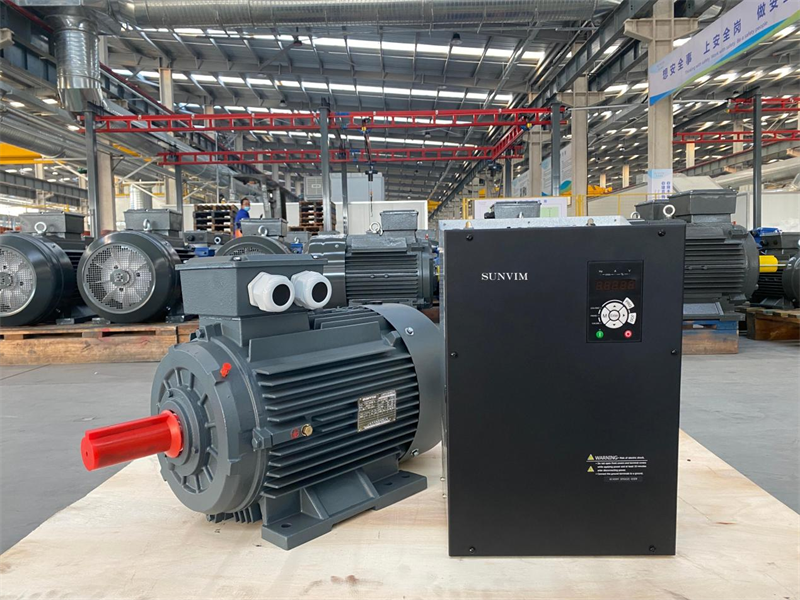
The Economics of Industrial Drives: Decoupling CAPEX from Rare-Earth Volatility
Initial capital expenditure represents the first and most visible financial hurdle for any factory modernization program. Traditional permanent magnet motors deliver excellent power density, but their production requirements depend heavily on critical rare-earth metals such as neodymium, dysprosium, and praseodymium. Geopolitical trade restrictions and mining disruptions cause massive price swings for these specialized materials, which quickly raises the market price of PM machinery. As a result, corporate procurement teams frequently encounter unexpected budget inflation when planning large-scale factory retrofits. These volatile market conditions make it difficult for multinational corporations to estimate long-term capital budgets accurately.
Fortunately, synchronous reluctance machinery eliminates this financial unpredictability by removing expensive rare-earth elements from the internal rotor design entirely. Instead of relying on costly magnets to produce torque, a reluctance motor utilizes a precisely engineered steel rotor to guide internal magnetic flux lines. This smart architectural configuration relies completely on conventional electrical steel and standard copper windings, which possess highly stable material cost profiles. Consequently, industrial equipment manufacturers can maintain steady pricing even during severe global resource crises. This resource independence shields corporate buyers from sudden market price spikes and ensures predictable project costs. By decoupling factory production from critical mineral supply bottlenecks, reluctance technology establishes a secure, sustainable foundation for future industrial growth.
Dissecting the LCC Equation: Operational Efficiency, Maintenance, and Residual Asset Value
A complete lifecycle cost equation must prioritize continuous operational expenditures, which generally constitute over ninety percent of a motor’s total lifetime expense. Permanent magnet systems offer great peak efficiency, but they also experience continuous internal rotor heat generation that can degrade system performance over time. Conversely, the advanced rotor design of a synchronous reluctance motor contains no windings or active magnets, which eliminates rotor electrical losses completely. This distinct thermodynamic advantage results in much lower operating temperatures across all load conditions. This cool-running behavior directly protects the stator winding insulation from premature thermal breakdown, ensuring that the machine preserves its high efficiency rating for decades.
Furthermore, routine factory maintenance and workshop repair expenses vary significantly between these two competing drive technologies. Permanent magnet rotors maintain a strong, dangerous magnetic field even when technicians disconnect the power supply completely. This permanent magnetism requires specialized non-magnetic workshop tools and intense safety protocols, which inevitably increases labor costs and prolongs repair downtime. Synchronous reluctance machinery avoids these complex maintenance challenges because the rotor loses all magnetic forces the moment the power cuts off. Mechanics can service these units quickly and safely using standard workshop equipment. Finally, end-of-life recycling economics strongly favor the magnet-free design. Extracting rare-earth elements from a worn-out PM motor requires expensive, hazardous chemical processing that lowers its residual value. In contrast, a decommissioned reluctance motor transforms into clean, high-value scrap metal consisting of pure steel and premium copper, which maximizes its ultimate salvage return.
Mapping the ROI Curve: Empirical Data and Optimal Sourcing Matrix for Project Engineers
Project engineers must map exact return on investment curves over a ten-year operational horizon to justify equipment modernization plans to corporate executives. Empirical data shows that although a permanent magnet motor might show slightly higher efficiency at partial loads, its high initial cost extends the capital payback period significantly. In high-duty-cycle setups, the lower purchase price of a high-performance reluctance motor helps companies recover their capital investment within eighteen months. This rapid financial amortization makes the technology highly attractive for companies operating with strict capital expenditure limits.
However, achieving maximum financial returns requires matching the specific motor architecture to the correct industrial applications. Variable torque applications, such as large centrifugal water pumps, industrial cooling fans, and continuous ventilation blowers, represent the most profitable environments for reluctance motor installation. These specific applications run continuously for thousands of hours each year, where small reductions in operating temperatures yield massive electricity savings. Furthermore, heavy continuous processing environments, including textile mills and chemical manufacturing plants, benefit greatly from the rugged construction of magnet-free rotors. By using this practical sourcing matrix, project engineers can eliminate sudden equipment breakdowns while maximizing factory profit margins over the entire asset life.
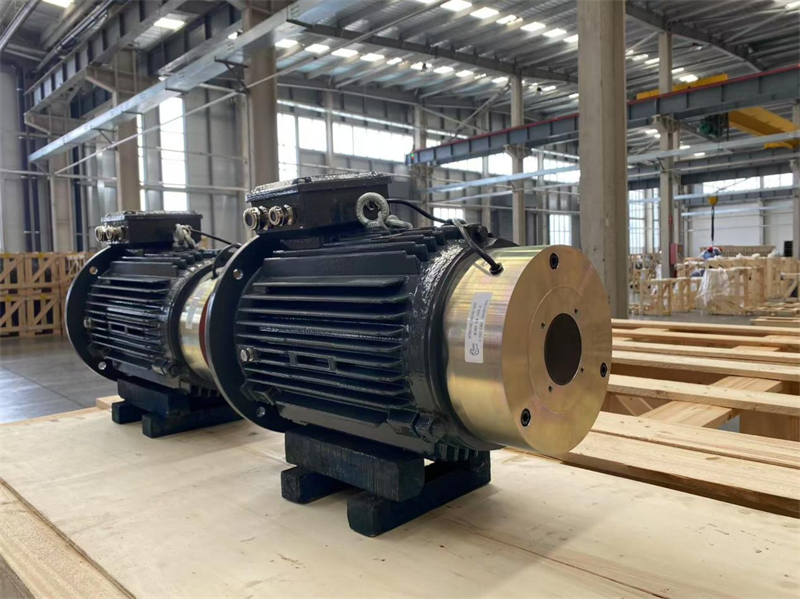
The SUNVIM Advantage: Verifiable Manufacturing Standards and Certified Global Export Infrastructure
Realizing the full economic potential of modern reluctance drive systems requires world-class manufacturing precision and strict quality assurance. SUNVIM MOTOR operates advanced automated production lines that manufacture premium industrial drives capable of matching the performance curves of expensive PM motors. Utilizing high-speed automated lamination presses, the production facility creates intricate rotor structures that guide internal magnetic flux with extreme accuracy. This precise manufacturing process maximizes the structural saliency ratio of the assembly, which increases torque output while keeping material costs low. This commitment to engineering excellence ensures that global buyers receive highly durable machinery built for harsh industrial environments.
To support large-scale international engineering projects, SUNVIM MOTOR(SHANDONG SUNVIM MOTOR CO., LTD.) maintains a fully integrated global export infrastructure. The engineering department tests every motor series thoroughly against strict international performance benchmarks to verify absolute compliance with global efficiency mandates. By securing recognized international product credentials such as CE, UL, and CSA certifications, the manufacturer eliminates regulatory compliance risks for multinational procurement firms. This rigorous validation process guarantees hassle-free cross-border customs clearance and simplifies on-site installation for global engineering contractors. Ultimately, partnering with SHANDONG SUNVIM MOTOR CO., LTD. allows industrial corporations to modernize their production machinery, lower their total cost of ownership, and secure their component supply lines with complete peace of mind.
Corporate Website: https://www.sunvimmotor.com/.
Post time: Jul-03-2026