
Global maritime authorities continually tighten environmental regulations to reduce greenhouse gas emissions across international waters. Commercial shipping lines must comply with the strict mandates of the Energy Efficiency Design Index, which scores new vessels based on their carbon intensity per cargo ton-mile. While main propulsion systems attract significant engineering attention, auxiliary equipment accounts for a substantial portion of total onboard energy consumption. To achieve full regulatory compliance, naval architects work closely with an experienced Custom Marine Motor Solutions Provider to optimize the electrical efficiency of secondary powertrains. Improving the operational efficiency of onboard pumps, fans, and cargo-handling systems directly lowers fuel consumption. Consequently, strategic equipment selection plays a pivotal role in achieving international decarbonization targets. This comprehensive guide examines the specific engineering pathways that enable marine operators to satisfy compliance metrics through advanced electrical machine design.
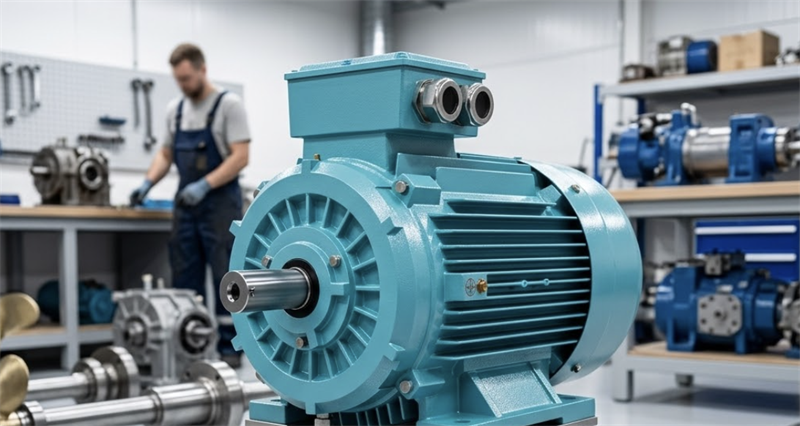
Decarbonizing Maritime Assets: The EEDI Framework and Auxiliary Powertrain Inefficiencies
The international maritime framework forces shipbuilders to calculate both the attained and required environmental index for every new vessel hull. This mathematical calculation determines the specific carbon dioxide emissions of a ship relative to its deadweight tonnage and operational velocity. If a vessel fails to achieve the baseline rating, maritime authorities will deny international trading certificates. Therefore, naval engineers must scrutinize every kilowatt of energy moving through the main switchboard. Auxiliary electrical systems, such as ballast water treatment pumps and engine room ventilation fans, run continuously during long ocean voyages. Because these auxiliary machines consume considerable auxiliary generator power, their internal inefficiencies directly increase the specific fuel consumption of the vessel.
To overcome these hidden electrical losses, procurement teams must replace generic industrial motors with highly optimized maritime alternatives. Specialized application solutions providers design these machines to match the distinct load curves of specific shipboard systems. For example, optimizing a cooling water pump motor to operate at its peak efficiency point saves thousands of kilowatt-hours annually. This systematic accumulation of minor fractional efficiency gains lowers total fuel consumption and reduces aggregate carbon dioxide emissions. Ultimately, optimizing auxiliary machinery allows ship owners to bridge the compliance gap without reducing vessel speed or cargo capacity. Marine engineering teams can thus protect their capital investments while satisfying modern international environmental rules.
Structural Optimization: Maximizing Volumetric Power Density to Mitigate Vessel Deadweight
Narrow engine rooms, cramped subterranean cargo holds, and compact steering gear compartments present severe physical space restrictions for shipboard machinery. Standard industrial electric motors often feature bulky, heavy frames that complicate mechanical layout and increase the structural deadweight of the ship. In the maritime industry, every extra kilogram of machinery mass reduces the maximum payload capacity of the vessel. Therefore, custom marine motor design focuses heavily on maximizing volumetric power density, which measures kilowatt output relative to physical machine size. Engineers achieve this geometric optimization by using high-permeability magnetic cores and maximizing stator slot-fill factors.
These advanced manufacturing methodologies allow a custom marine motor to deliver high power output from a significantly downsized frame profile. Simultaneously, reducing the physical mass of auxiliary machinery yields cascading structural and economic benefits for global shipyards. Lighter motor frames require smaller steel mounting brackets and less robust structural reinforcements within the hull. This weight reduction directly translates into ongoing operational fuel savings over the twenty-five-year lifespan of a commercial vessel. By eliminating hundreds of kilograms of unnecessary equipment mass across multiple auxiliary networks, ship owners permanently lower their specific carbon footprint. Furthermore, compact motor dimensions simplify routine maintenance tasks by providing service technicians with better physical access inside crowded machinery flats.
Hydroacoustic and Mechanical Syncing: Low-Vibration Architecture and PTO/PTI Integration
Modern commercial vessels require exceptionally low vibration profiles to prevent dangerous mechanical fatigue from spreading through the welded steel hull network. Continuous mechanical oscillations from auxiliary equipment can cause harmonic resonance, which damages structural welds and accelerates pipe fitting failures. To counter these destructive forces, advanced marine machinery utilizes precision balanced rotors and heavy-duty, reinforced end-shields. This rigid structural architecture suppresses internal mechanical vibrations and ensures smooth, silent energy transmission under all load conditions. Simultaneously, preventing environmental breakdown remains critical because marine micro-climates expose internal windings to extreme humidity, high atmospheric salinity, and airborne oil mist. Without specialized insulation protection, these severe atmospheric conditions cause rapid dielectric breakdown and catastrophic winding failures. Therefore, manufacturers implement advanced insulation systems to withstand the unique requirements and influences of special environmental conditions on motor insulation.
In addition to physical durability, modern green ships optimize their electrical topology by integrating variable-frequency Power Take-Off and Power Take-In systems. These advanced shaft generator configurations can alternate between producing electricity from the main propulsion shaft and providing auxiliary mechanical boost. A custom converter-fed marine motor stabilizes erratic electrical frequencies caused by volatile sea states, ensuring a steady power supply to the shipboard grid. This seamless energy integration eliminates the need to run separate diesel generator sets during open-ocean transit, which maximizes total thermodynamic efficiency. By syncing hydroacoustic vibration control with intelligent shaft power management, naval architects can design highly resilient, EEDI-compliant vessels.
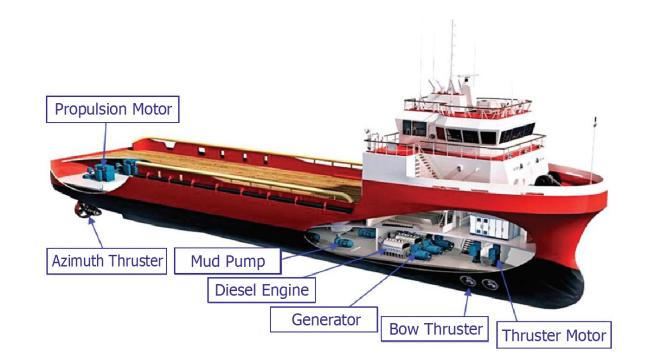
Navigating Maritime Approvals: The SUNVIM Y-H Fleet Infrastructure and Certified Global Compliance
Successfully deploying custom maritime machinery requires a manufacturing partner that combines technical innovation with extensive international regulatory certifications. The Y-H series marine three-phase induction machinery manufactured by SUNVIM MOTOR exemplifies this specialized engineering capability. This premium line of marine-grade motors features robust anti-corrosion exterior coatings, specialized dual-chamber internal condensation drains, and reinforced bearing configurations. These targeted structural enhancements ensure long-term mechanical reliability under continuous exposure to aggressive salt spray and high ambient temperatures.
To ensure seamless global integration, SUNVIM MOTOR(SHANDONG SUNVIM MOTOR CO., LTD.) maintains strict product type approvals across all dominant international classification societies. The comprehensive certification portfolio includes verified compliance certificates from CCS, BV, ABS, DNV, and LR. This extensive regulatory alignment ensures that every custom-built unit complies fully with international maritime safety and performance standards. By providing pre-certified equipment, SHANDONG SUNVIM MOTOR CO., LTD. eliminates regulatory approval delays and de-risks the procurement process for international shipyards.
Strategic collaboration with an experienced exporter allows naval engineering firms to secure highly optimized, low-emission powertrain solutions. The versatile manufacturing infrastructure at SUNVIM MOTOR enables rapid customization of electrical windings and mechanical mounting flanges to match unique hull designs. This manufacturing agility helps global shipping enterprises future-proof their commercial fleets against evolving international carbon regulations. Ultimately, choosing a certified, custom marine motor solution pathway optimizes auxiliary energy efficiency, minimizes civil engineering installation costs, and secures long-term asset liquidity in a highly competitive maritime market.
Corporate Website: https://www.sunvimmotor.com/.
Post time: Jul-05-2026