
Featured Low Vibration Electric Motors
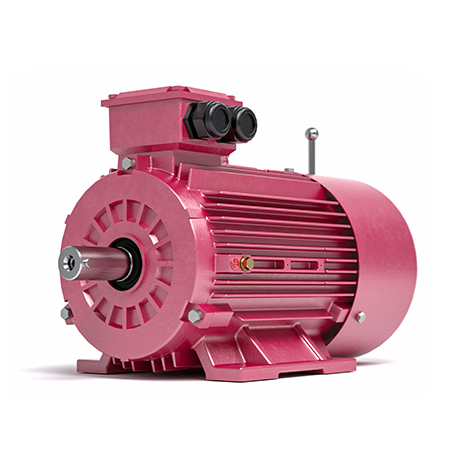
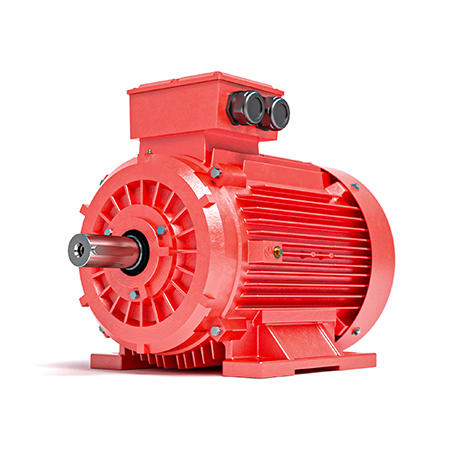
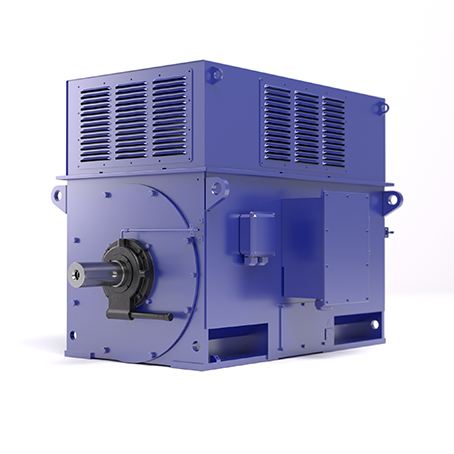
Precision-engineered industrial electric motors designed to minimize vibration, extend service life, and maximize operational reliability in critical applications.

Why Low Vibration Matters in Industrial Motors
Excessive vibration in electric motors causes premature bearing failure, structural fatigue, noise pollution, and reduced system accuracy. Our motors are engineered to eliminate these challenges.
Precision Dynamic Balancing
Every rotor undergoes high-precision dynamic balancing to Grade G2.5 or better, eliminating rotational vibration at the source for ultra-smooth operation.
Low Noise Operation
Advanced stator design with optimized slot geometry reduces electromagnetic noise and mechanical vibration, achieving noise levels well below industry standards.
Extended Bearing Life
Vibration control directly reduces radial and axial bearing loads, extending bearing service life by up to 3x compared to conventional motors in the same duty cycle.
Smart Vibration Monitoring
Optional integrated vibration sensors enable real-time condition monitoring, predictive maintenance alerts, and Industry 4.0 integration via IIoT protocols.
Industrial Electric Motor Market: Status, Trends & Deep Application Analysis
The Global Industrial Electric Motor Landscape
Industrial electric motors are the backbone of global manufacturing and infrastructure. They account for approximately 45% of the world's total electricity consumption, driving pumps, fans, compressors, conveyors, machine tools, and countless other systems across every sector of industry. The global industrial electric motor market was valued at over USD 120 billion in 2023 and is projected to exceed USD 180 billion by 2030, driven by rapid industrialization, energy efficiency mandates, and the accelerating adoption of automation technologies.
Among the most critical performance parameters in modern industrial motor selection, vibration control has emerged as a primary engineering priority. As manufacturing environments demand higher precision, faster cycle times, and longer maintenance intervals, the low vibration electric motor segment is experiencing exceptional growth — particularly in sectors such as semiconductor fabrication, medical device manufacturing, precision machining, aerospace component production, and high-speed rail infrastructure.
🔑 Key Market Insight: According to industry analysis, demand for low vibration industrial electric motors grew at a CAGR of 7.8% between 2020 and 2024, outpacing the broader motor market. This growth is primarily driven by precision automation, clean energy infrastructure, and the global push toward IE4/IE5 super-efficiency standards.
Commercial & Industrial Drivers for Low Vibration Motors
1. Energy Efficiency Legislation & Motor Efficiency Standards
Governments worldwide are enforcing increasingly stringent energy efficiency standards for industrial motors. The European Union's Ecodesign Regulation (EU) 2019/1781 mandates IE3 minimum efficiency for motors from 0.75 kW to 1,000 kW, with IE4 and IE5 standards progressively covering wider power ranges. Similar regulations are in force across North America, China, Australia, and India. Low vibration motors inherently align with these standards: reduced mechanical losses from vibration directly translate to higher operational efficiency, lower operating temperatures, and reduced energy waste over the motor's lifecycle. For industrial operators, this means significant reductions in total cost of ownership (TCO) and measurable progress toward ESG (Environmental, Social, and Governance) targets.
2. Industry 4.0 and Smart Factory Integration
The transition to smart manufacturing ecosystems — characterized by digital twins, real-time monitoring, predictive maintenance, and robotic automation — places new demands on electric motors. In smart factory environments, vibration is not merely a mechanical inconvenience; it is a data point. Motors equipped with integrated vibration sensors feed continuous condition data into IIoT platforms, enabling machine learning algorithms to detect anomalies, predict bearing failures weeks in advance, and schedule maintenance without unplanned downtime. The low vibration motor is therefore not just a mechanical device but an intelligent node in the smart factory network. This paradigm shift is fundamentally reshaping how industrial buyers specify and procure motor systems.
3. Total Cost of Ownership (TCO) Optimization
Industrial procurement decisions have shifted decisively from initial purchase price toward total cost of ownership analysis. Low vibration motors deliver compelling TCO advantages: reduced bearing replacement costs, lower lubrication consumption, decreased structural fatigue in coupled equipment (gearboxes, pumps, fans), and extended motor rewind intervals. In continuous-duty applications such as pumping stations, HVAC systems, and conveyor drives, the cumulative savings from reduced maintenance and energy consumption typically justify a 15–25% premium on motor purchase price within the first 24 months of operation.
🏗️Deep Application Scenarios for Low Vibration Industrial Electric Motors
Precision CNC Machining & Machine Tool Spindles
In CNC machining centers, grinding machines, and precision boring mills, spindle motor vibration directly degrades surface finish quality and dimensional accuracy. Even vibration levels below human perception threshold (
Semiconductor & Electronics Manufacturing
Semiconductor fabrication plants (fabs) represent the most vibration-sensitive industrial environments in existence. Lithography machines, wafer handlers, and precision metrology systems operate in vibration-isolated chambers, but any vibration introduced by HVAC motors, vacuum pump drives, or cleanroom air handling units can compromise yield. Low vibration motor specifications for semiconductor fab auxiliary systems typically require vibration velocity below 0.5 mm/s RMS and noise levels below 55 dB(A). The global expansion of semiconductor manufacturing capacity — with mega-fab investments in the USA, Europe, Taiwan, Japan, and South Korea — represents a substantial and fast-growing market for ultra-low vibration motors.
Water Treatment & Pump Stations
Municipal water treatment plants and industrial effluent processing facilities operate pump systems continuously for decades. Vibration in pump motor drives accelerates impeller wear, causes shaft seal failures, and induces structural resonance in pipework. Low vibration motors in pump station applications reduce hydraulic noise, extend pump mechanical seal life, and improve flow measurement accuracy. Sunvim's project portfolio demonstrates successful deployment of high-voltage motors in construction pump and municipal pump station applications, where vibration control was a primary specification requirement alongside efficiency and reliability.
Mining & Mineral Processing
Mining environments present paradoxical motor challenges: extremely harsh mechanical conditions combined with strict vibration requirements for processing equipment. In ore grinding mills, flotation cells, and conveyor systems, vibration-induced motor failures cause costly production stoppages. Low vibration motors in mining applications must combine robust enclosure designs (IP65/IP66) with precision internal balancing, using features such as reinforced bearing housings, vibration-damping mounting feet, and thermally stable winding insulation systems rated to Class F or Class H.
Marine & Offshore Applications
Marine propulsion auxiliaries, shipboard HVAC systems, ballast pumps, and cargo handling winches operate in environments where vibration has cascading effects on vessel structural integrity, crew comfort, and navigation instrument accuracy. Classification society requirements (DNV, ABS, CCS, BV) mandate specific vibration test standards for marine motors. Sunvim's Y-H Marine series motors are purpose-designed to meet these exacting standards, combining low vibration characteristics with marine-grade corrosion protection, vibration isolation mountings, and certification across multiple classification societies.
Renewable Energy & Power Generation
Wind turbine generator systems, hydroelectric pump-turbines, and concentrated solar power (CSP) drive systems all demand ultra-reliable, low vibration motor-generator combinations operating over decades with minimal maintenance access. The growth of offshore wind energy in particular — with turbines rated at 12–20 MW becoming standard — has driven significant innovation in low vibration generator design, including magnetic bearing systems, active vibration cancellation, and advanced rotor dynamic analysis during the design phase.
📈Development Trends: Where Low Vibration Motor Technology Is Heading
Permanent Magnet Dominance
PMSM motors are replacing traditional induction motors in high-precision, variable-speed applications, offering inherently lower vibration due to absence of rotor copper losses and more uniform torque generation across the entire speed range.
AI-Driven Vibration Analysis
Machine learning models trained on vibration signature databases can identify developing faults — rotor imbalance, misalignment, bearing wear — with 94%+ accuracy, enabling condition-based maintenance that eliminates unnecessary servicing and prevents unexpected failures.
IE4 / IE5 Super Efficiency
Next-generation efficiency standards are driving adoption of synchronous reluctance (SynRM) and PMSM technologies that combine superior efficiency with reduced heat generation — itself a source of thermal vibration in conventional motors at high loads.
Integrated Motor Drives
Motor-integrated variable frequency drives (VFDs) with built-in vibration damping algorithms deliver precise torque control that actively suppresses mechanical resonances in coupled load systems, eliminating resonance-induced vibration spikes during acceleration and deceleration.

Shandong Sunvim Motor Co., Ltd.
We started in 1963, with more than 60 years of research and manufacturing experience on electric motors. Transformed in 2022, a high-standard and modern production base of electric motors is fast growing, delivering precision low vibration motors to customers worldwide.
Shandong Sunvim Motor Co., Ltd. is invested by Sunvim Group, which has tens of billions of market value. With 220 million RMB investments, it covers an area of 68,000 square meters, with a total construction area of 53,000 square meters. The company has advanced equipment of more than 400 sets, including manufacturing, testing, and supporting facilities. The annual production capacity can reach 3 million kilowatts.
SUNVIM is a modern professional enterprise specializing in production, distribution, R&D, and customer service of electric motors. Our products are exported to Germany, Italy, Greece, Spain, Belgium, Denmark, South Africa, Slovakia, Australia, Singapore, Indonesia, Malaysia, and Taiwan.
Sunvim by the Numbers
International Certifications & Compliance
Our low vibration industrial electric motors are certified to the world's most demanding international standards, ensuring acceptance in regulated markets across all continents.
Sunvim Motor Certification Portfolio
These certifications confirm that every Sunvim low vibration motor meets international quality management, electromagnetic compatibility, marine classification, and market access requirements across Europe, North America, Africa, and Asia-Pacific.
Application Equipment for Low Vibration Motors
Sunvim low vibration industrial electric motors power critical equipment across the world's most demanding industries.


Low Vibration Motor Project Presentation
SUNVIM has been well known and being recognized by many customers of the world. Our products are exported to Germany, Italy, Greece, Spain, Belgium, Denmark, South Africa, Slovakia, Australia, Singapore, Indonesia, Malaysia, and Taiwan.


Complete Low Vibration Industrial Electric Motor Range
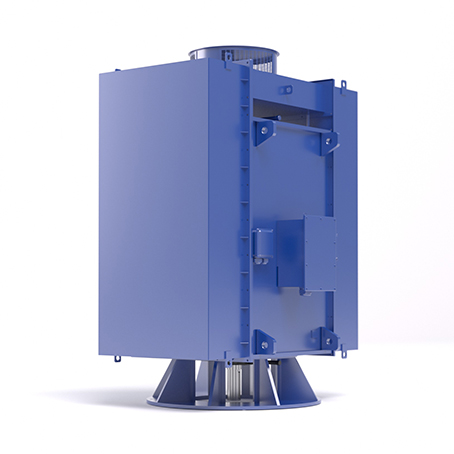
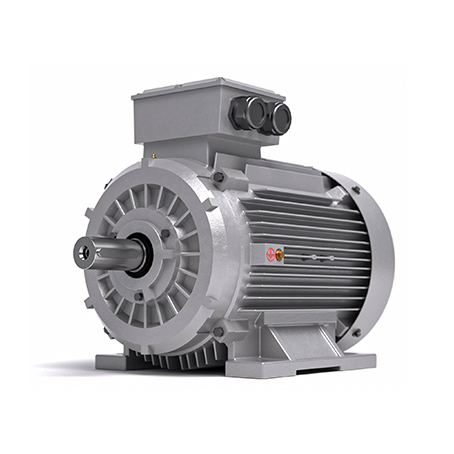
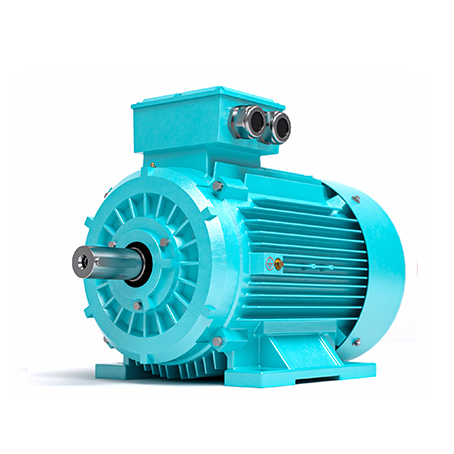
Explore Sunvim's full portfolio of precision, low vibration industrial electric motors — from standard IE1 induction motors to ultra-high-efficiency permanent magnet synchronous and marine-grade solutions.
LET'S OPTIMIZE YOUR SUPPLY CHAIN
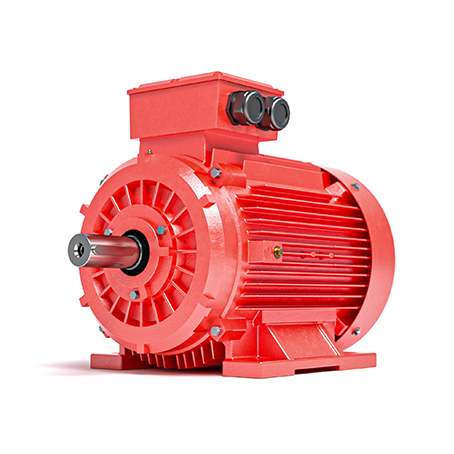
Partner with Sunvim Motor to access industry-leading low vibration industrial electric motors, backed by 60+ years of engineering expertise, global certifications, and a commitment to precision performance.
Explore Our Motor Solutions