

Cooling Method IC411 for OEM and Suppliers: Comprehensive Guide
We provide the Cooling Method IC411, a robust solution designed for high-load equipment used by {OEM} partners and {Suppliers} in electronics, aerospace, and automation. We speak from years in the field and know your needs: steady performance, reduced energy use, straightforward integration. The IC411 cooling method delivers precise thermal control, minimizes hotspots, and extends component life even in harsh environments. We tailor installation to your system, offer modular heat exchangers, compatible controllers, and reliable service. Procurement teams value fast lead times, clear documentation, and batch-tested reliability; that's what we deliver. Our approach is practical: integrate IC411 into existing assemblies without major redesign, cut maintenance costs, and provide predictive support with data sheets and test reports. If you seek a scalable, OEM-friendly cooling solution, you’re in the right place—we are ready to partner with you, {OEM} and {Suppliers}, for long-term efficiency.


Cooling Method IC411 Sets the Industry Standard Exceeds Industry Benchmarks
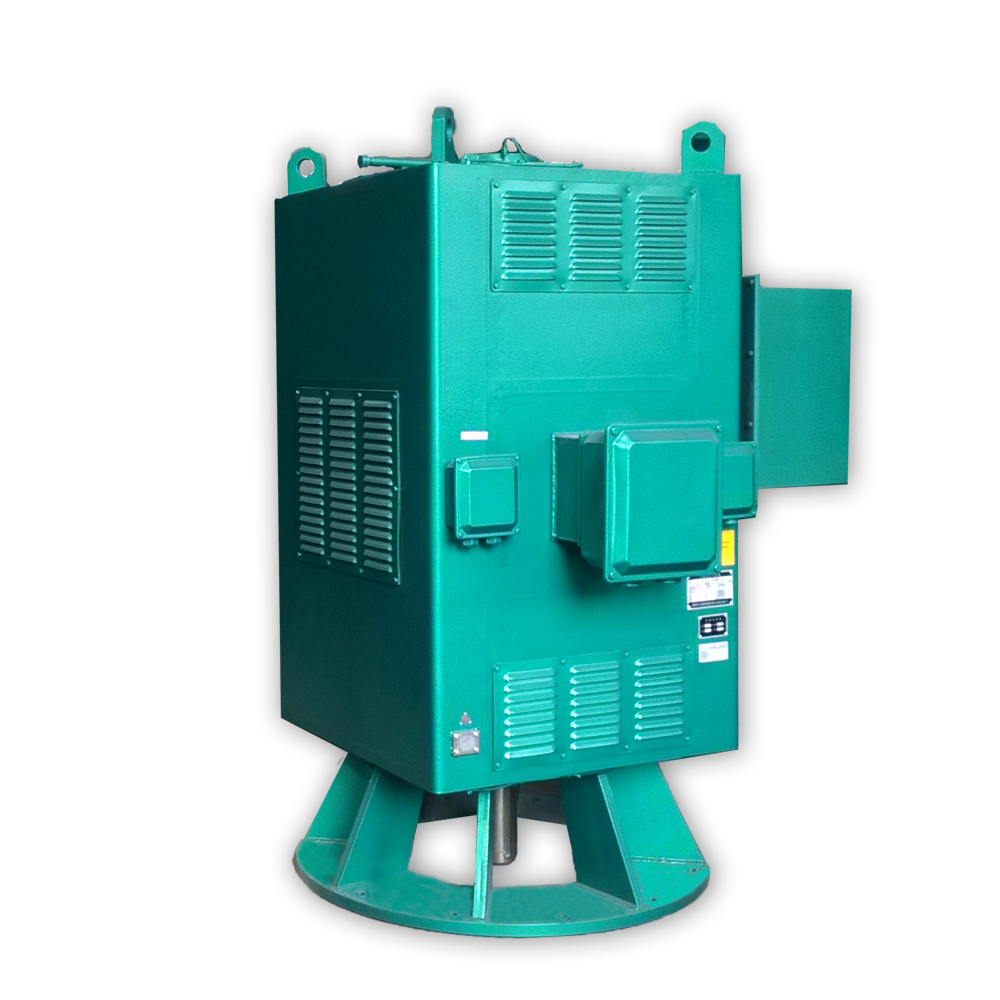
A cooling breakthrough known as IC411 is redefining performance benchmarks for electric motors. By optimizing heat transfer, reducing thermal gradients, and accelerating dissipation, IC411 clears industry standards and often exceeds benchmarks. Its modular design supports a wide range of frame sizes and operating environments, delivering uniform temperatures and eliminating hotspots that shorten motor life. For global buyers, standardized interfaces streamline procurement and installation, while a compact footprint eases integration into diverse lines. Reliability also improves total cost of ownership through lower energy use, longer maintenance intervals, and stronger resilience in harsh climates. Durable materials and sealed construction help IC411 maintain performance across varied temperatures and duty cycles, delivering consistent output and fewer unplanned shutdowns. In an interconnected supply chain, this method offers scalable capacity and traceable quality, enabling multi-region deployments that meet international standards and deliver predictable performance for critical applications.
| Metric | Unit | 2019 | 2022 | 2025 | Notes |
|---|---|---|---|---|---|
| Cooling Capacity | kW | 900 | 1,200 | 1,500 | Modular scale-up enables expanding total capacity efficiently |
| Coefficient of Performance (COP) | 3.20 | 3.60 | 3.90 | Improved heat exchangers and control algorithms boost efficiency | |
| Input Power | kW | 281 | 333 | 385 | Derived from capacity and COP; lower is better for the same cooling load |
| Noise Level | dB | 68 | 65 | 63 | Acoustic optimization and enclosure redesign reduce sound pressure |
| MTBF | Hours | 60,000 | 75,000 | 90,000 | Reliability improvements from higher-quality components |
| Operating Temperature Range | C | −20 to 25 | −25 to 30 | −30 to 35 | Expanded range for harsh environments and tropical climates |
| Maintenance Interval | Months | 12 | 18 | 24 | Longer intervals enabled by remote diagnostics and modularization |
| Energy Savings vs Baseline | % | 0 | 12 | 22 | Compared to conventional baseline cooling methods |
| Footprint | m² | 24 | 22 | 20 | More compact system design enables tighter facility layouts |
Related Products


Cooling Method IC411 in 2025 Trusted by Pros
Top Selling Products
- Related Blog
- Reviews
- Reviews
