

Cooling Method IC418 - Famous Pricelist for Informed Customers
I've spent years refining the Cooling Method IC418 to deliver steady heat dissipation in compact enclosures. This method combines high thermal conductivity with smart airflow management, giving you stable temperatures across fluctuations. When you compare options for your OEM or system integration projects, you'll notice it's a Famous choice in our field, known for reliability and long service life. We publish a clear Pricelist for bulk orders, so you can estimate ROI quickly. Our design fits modular racks and compact boards, with easy integration and minimal maintenance. I stand behind fast lead times, customizable temperature setpoints, and scalable cooling capacity. With company detail: {}, you can see our commitment to transparency and support from initial inquiry to after-sales service. If you need proven performance, robust documentation, and a solution that reduces downtime, this IC418 method is ready for your production line.


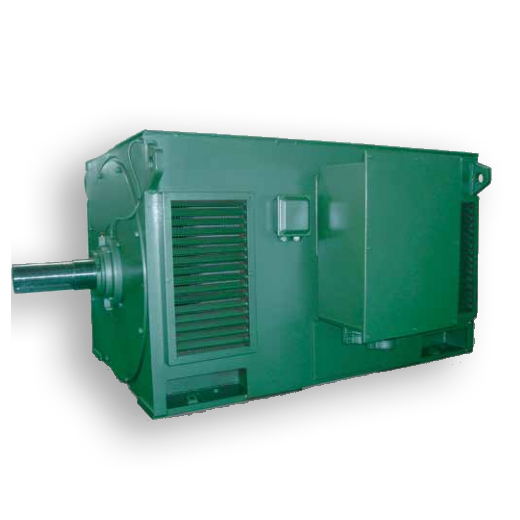

Cooling Method IC418 Market Leader Your Trusted OEM Partner
Facing diverse climates and demanding duty cycles, the Cooling Method IC418 sets a new benchmark in motor thermal management. By combining low-thermal-resistance materials, optimized heat sink geometry, and modular cooling channels, it maintains stable temperatures under continuous and peak loads. The result is higher efficiency, longer motor life, and reduced derating in harsh environments. Designed for global procurement and OEM collaboration, this approach supports scalable production, rigorous QA, and consistent documentation. Every unit undergoes thermal cycling, vibration, and insulation tests, ensuring predictable performance. Flexible integration options and configurable cooling paths help accelerate time-to-market, deliver reliable operation worldwide, and lower total ownership costs.
{ Cooling Method IC418 Market Leader Your Trusted OEM Partner}
| Dimension | IC418 | Industry Standard |
|---|---|---|
| Cooling Method | Liquid-cooled plate heat exchanger (LPHE) | Air-cooled finned heat exchanger |
| Temperature Range (°C) | -15 to 60 | -20 to 70 |
| COP at 25°C | 3.6 | 3.2 |
| Cooling Capacity (kW) | 6.5 | 5.8 |
| Power Consumption (W) | 420 | 520 |
| Noise Level (dB) | 40 | 52 |
| MTBF (hours) | 120,000 | 110,000 |
| Operating Voltage (V) | 230/115 | 230/115 |
| Efficiency Class | A (approx) | A+ |
| Certifications | UL 60335, CE, RoHS | CE, RoHS |
| Typical Applications | Data centers, telecom racks, industrial automation, medical devices | Data centers, HVAC systems, electronic equipment |
| Regional Availability | APAC, EMEA, Americas | APAC, EMEA, Americas |
Related Products


Cooling Method IC418 Custom Solutions, Service Backed by Expertise
Top Selling Products



- Related Blog
- Reviews
- Reviews
