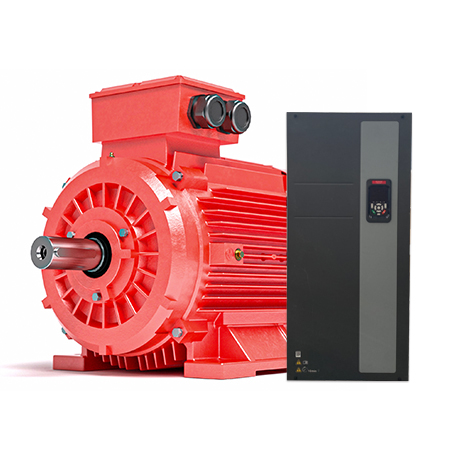
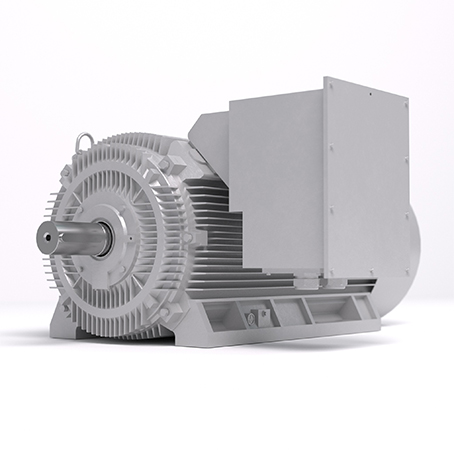
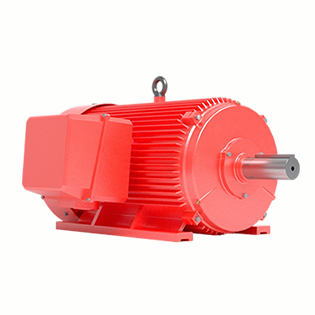
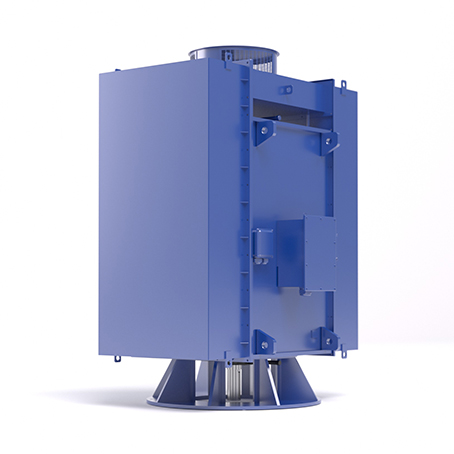
Marine Low Vibration Induction Motor Series
Explore our flagship marine induction motor product lines engineered for low-vibration, high-efficiency marine and industrial environments.
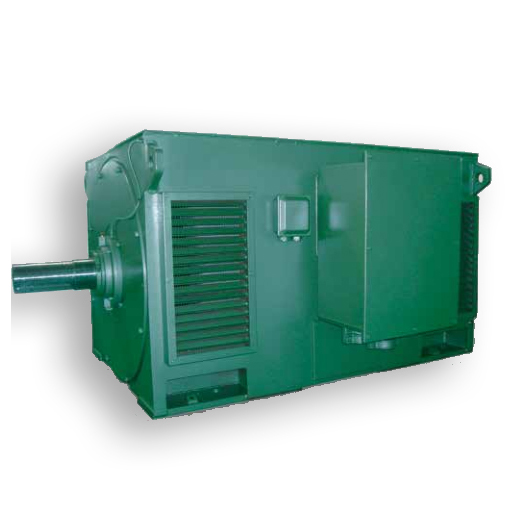
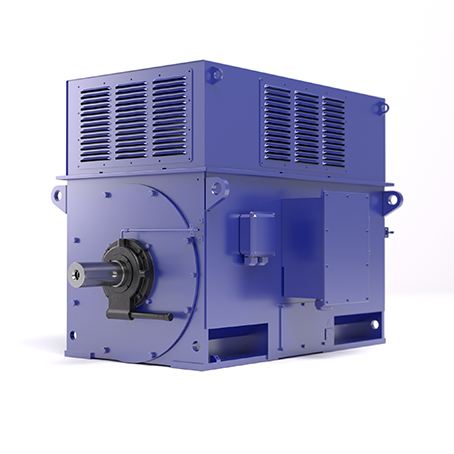
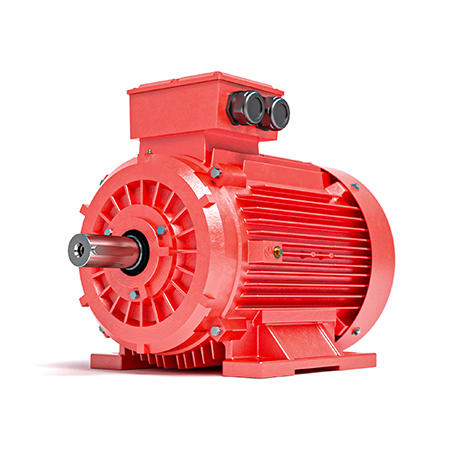
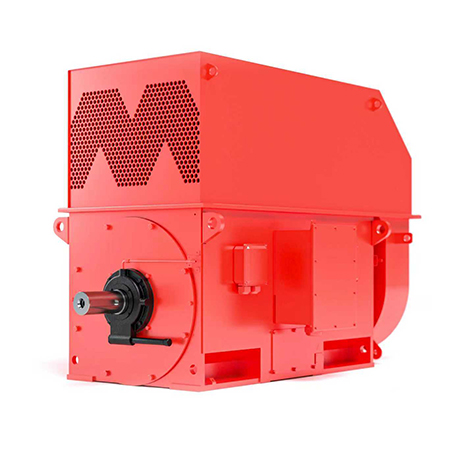
What Is a Marine Induction Motor for Low Vibration?
Engineered for the Harshest Marine Environments
Marine induction motors designed for low vibration represent one of the most critical categories of industrial electric motors. Operating in the high-humidity, corrosive, and mechanically stressful environments of ships, offshore platforms, and port infrastructure, these motors must meet rigorous international classification society standards — including CCS, ABS, and DNV — while maintaining ultra-smooth, low-vibration operation over extended duty cycles.
Low vibration is not merely a comfort feature aboard vessels — it is a fundamental engineering requirement. Excessive vibration aboard marine vessels leads to accelerated fatigue of mechanical components, increased noise pollution in crew quarters, diminished sensor accuracy in navigation systems, and significant increases in maintenance costs. A purpose-built marine induction motor with low vibration addresses all these concerns through precision dynamic balancing, optimized rotor geometry, anti-vibration mounting systems, and advanced insulation systems resistant to marine moisture and salt spray.
The global marine electric motor market continues to expand rapidly, driven by the electrification of vessels, stricter IMO emission regulations, and the growing deployment of hybrid and fully electric propulsion systems. Marine induction motors are at the core of this transformation.
Key Low Vibration Technologies in Modern Marine Motors
The achievement of low vibration in marine induction motors involves multiple interrelated engineering disciplines. At the electromagnetic level, precision winding techniques and skewed rotor slots reduce cogging torque and magnetic noise — the two primary sources of motor-induced vibration in AC induction designs. At the mechanical level, dynamic balancing to ISO 1940 Grade G1.0 or better, combined with precision-ground bearing surfaces and low-noise sealed bearings, dramatically reduces rotational vibration transmission to the hull and structure.
Advanced finite element analysis (FEA) tools are now routinely employed during motor design to predict and mitigate vibration resonance modes before physical prototyping begins. Manufacturers like Sunvim integrate computational motor design with real-world testing protocols — including vibration measurement per IEC 60034-14 — to validate low-vibration performance across the full operating speed range.
Frame materials also play a role: cast iron and welded steel frames offer superior vibration damping compared to lightweight aluminum in heavy-duty marine applications, while specialized anti-vibration mounting pads further isolate motor vibration from sensitive vessel structures.
🔑 Core Advantages of Low Vibration Marine Induction Motors
Industrial & Commercial Market Status
The global demand for marine low-vibration induction motors is at an all-time high, driven by vessel electrification, environmental regulations, and smart shipping technology.
Market Scale and Commercial Demand
The global marine electric motor market was valued at over USD 3.2 billion in 2023 and is projected to exceed USD 5.8 billion by 2030, growing at a CAGR of approximately 8.6%. This remarkable growth is underpinned by the accelerating global transition toward cleaner shipping, the widespread adoption of electric and hybrid propulsion on ferries, cargo ships, cruise liners, and offshore support vessels, and the increasing use of automation and electric auxiliary drives aboard modern vessels.
Low vibration motors specifically command a premium segment within the marine motor market. Ship owners and operators are increasingly specifying low-vibration motors not just for passenger comfort but for sensitive equipment protection — including navigation electronics, acoustic sensors, and precision manufacturing equipment aboard specialized research and industrial vessels.
Major industrial sectors driving demand include commercial shipping (bulk carriers, container ships, tankers), offshore oil & gas platforms, naval and defense vessels, luxury cruise and ferry operations, and the rapidly expanding offshore wind installation vessel fleet. Each segment places distinct requirements on motor vibration levels, power ratings, speed control, and protection class.
Regulatory and Standards Landscape
Compliance with classification society rules is mandatory for marine motors. The International Maritime Organization (IMO), alongside bodies such as Lloyd's Register, Bureau Veritas, DNV, ABS, and CCS, sets stringent requirements for motor insulation class, temperature rise, vibration levels, salt-mist resistance, and electromagnetic compatibility aboard vessels.
The IMO's Energy Efficiency Existing Ship Index (EEXI) and Carbon Intensity Indicator (CII) regulations, fully in force from 2023, have significantly increased the pressure on shipowners to retrofit older vessels with higher-efficiency electric drive systems — directly accelerating demand for premium, low-vibration IE3 and IE4 class marine induction motors.
In addition, the European Union's Green Deal and China's dual carbon neutrality goals are creating incentive-driven demand for electrified and highly efficient marine propulsion systems, particularly in short-sea shipping, river ferries, and inland waterway vessels where low-vibration, high-efficiency induction motors are ideal drive solutions.
Development Trends in Marine Low Vibration Induction Motors
🚢 Full-Electric & Hybrid Propulsion
The shift to electric and hybrid propulsion systems on ferries, ro-ro vessels and offshore vessels is creating massive new demand for high-power, ultra-low-vibration marine induction motors as main propulsion and thruster drives.
🤖 AI-Driven Predictive Maintenance
Smart marine motors with embedded vibration sensors and IoT connectivity enable real-time condition monitoring and AI-driven predictive maintenance, reducing unplanned downtime and extending motor service life at sea.
🌱 Ultra-High Efficiency (IE4/IE5)
Next-generation IE4 and IE5 class marine induction motors with amorphous metal cores and optimized electromagnetic designs are achieving efficiency levels above 96%, dramatically reducing vessel fuel consumption and emissions.
🔋 Integration with Shore Power & Energy Storage
Low-vibration marine motors are increasingly designed for seamless integration with onboard battery energy storage systems (BESS) and shore power (cold ironing) infrastructure, enabling zero-emission port operations.
🧲 Permanent Magnet Hybrid Designs
Combining induction motor robustness with permanent magnet rotor technology, next-generation marine motors achieve the low vibration of synchronous designs with the reliability and cost-effectiveness of induction motor construction.
🌊 Offshore Wind Vessel Demand
The global offshore wind installation boom is driving unprecedented demand for specialized low-vibration marine induction motors in jack-up vessels, cable-lay ships, and service operation vessels (SOVs).
Deep-Dive Application Scenarios
Marine low vibration induction motors are deployed across a wide spectrum of critical marine and industrial applications requiring precision, reliability and minimal vibration transmission.
Propulsion, Thrusters & Steering Systems
In Azimuth thruster and pod propulsion systems, low-vibration induction motors are the preferred choice for their ability to deliver smooth, vibration-free torque across a wide speed range when paired with variable frequency drives (VFDs). Bow and stern thruster motors on cruise ships and large ferries must operate with minimal acoustic and vibration signatures — a core requirement for passenger comfort and navigation instrument integrity.
Rudder actuator motors and steering gear drives also demand ultra-low vibration operation, as vibration-induced positional errors in steering systems can have serious navigational consequences on large vessels in confined waters.
HVAC, Ventilation & Refrigeration
Shipboard HVAC systems aboard passenger vessels, naval ships and research vessels require fan and compressor drive motors with extremely low vibration and noise. Low-vibration induction motors driving centrifugal fans and refrigeration compressors ensure passenger and crew comfort while protecting sensitive electronic equipment in adjacent spaces from vibration-induced interference.
Cargo Handling, Pumps & Winches
Electric winch drives, mooring system motors, crane drives and cargo pump motors on tankers, bulk carriers, and container ships all benefit significantly from low-vibration induction motor technology. Reduced vibration in pump drives extends seal and bearing life in critical bilge, ballast, cargo and fire pump systems — directly reducing maintenance costs and improving vessel availability.
On LNG carriers and chemical tankers, where pump motor reliability is a safety-critical factor, low-vibration operation reduces the risk of seal failure and mechanical damage in hazardous environments.
Naval, Research & Specialized Vessels
Military and naval vessels demand the absolute lowest possible acoustic and vibration signatures from all motor-driven machinery to minimize detectability. Low-vibration induction motors with acoustic isolation mounts are therefore a critical specification requirement for naval frigates, submarines support vessels, and mine countermeasures vessels. Research and survey ships similarly require ultra-low vibration drive systems to prevent interference with sensitive hydroacoustic and seismic survey equipment.
Sunvim Motor — Global Manufacturing Strength
About Shandong Sunvim Motor Co., Ltd.
We Started in 1963
Shandong Sunvim Motor Co., Ltd. is invested by Sunvim Group who has ten billions of market value. With 220 million RMB investments, it covers an area of 68,000 square meters, and with total construction area of 53,000 square meters. The company has advanced equipments of more than 400 sets, including manufacturing, testing and supporting facilities. The annual production capacity can reach 3 million kilowatts.
We started in 1963, has more than 60 years of researching and manufacturing experience on electric motors. Transformed in 2022, a high standard and modern production base of electric motors is fast growing.
Now, a modern professional enterprise specializes in production, distribution, R&D and customer service of electric motors has been grown up. And the company is sailing forward under the cultivation of Sunvim Group.
SUNVIM has been well known and being recognized by many customers of the world. Our products are exported to Germany, Italy, Greece, Spain, Belgium, Denmark, South Africa, Slovakia, Australia, Singapore, Indonesia, Malaysia, and Taiwan.
World-Class Marine Motor Manufacturing Facility

International Certifications & Classification Society Approvals
Get to know which are the Certificates that Sunvim has. Our marine induction motors carry the most recognized global certifications ensuring compliance for worldwide marine and industrial deployment.
Marine Low Vibration Motor Application Equipment
Sunvim marine low vibration induction motors power a wide spectrum of critical onboard and industrial applications.


Marine Low Vibration Motor Project Presentation
SUNVIM has been well known and being recognized by many customers of the world. Our products are exported to Germany, Italy, Greece, Spain, Belgium, Denmark, South Africa, Slovakia, Australia, Singapore, Indonesia, Malaysia, and Taiwan.


Complete Marine Low Vibration Induction Motor Product Range
Discover the full Sunvim lineup of marine-grade, low-vibration induction motors — from high voltage three-phase asynchronous motors to synchronous reluctance designs for every marine and industrial need.