

TAWC: High-Quality Supplier for Premium Components
I’m the one behind TAWC solutions, offering top performance for demanding industries. As a High-Quality Supplier, I build lasting partnerships with manufacturers who need dependable parts. With TAWC, you get consistent quality, strict QC, and technical support tailored to your line. I handle sourcing of premium materials, precise tolerances, and rigorous testing, so your uptime stays high and scrap stays low. Order sizes from small pilot runs to full-scale production, with transparent lead times and proactive communication. I’ll align with your procurement goals, offer volume discounts, and provide clear datasheets and compliance documents. Work with me and you’ll see fewer interruptions, faster approvals, and a partner who cares about your success. If you want a reliable High-Quality Supplier for TAWC components, I’m ready to start whenever you are.
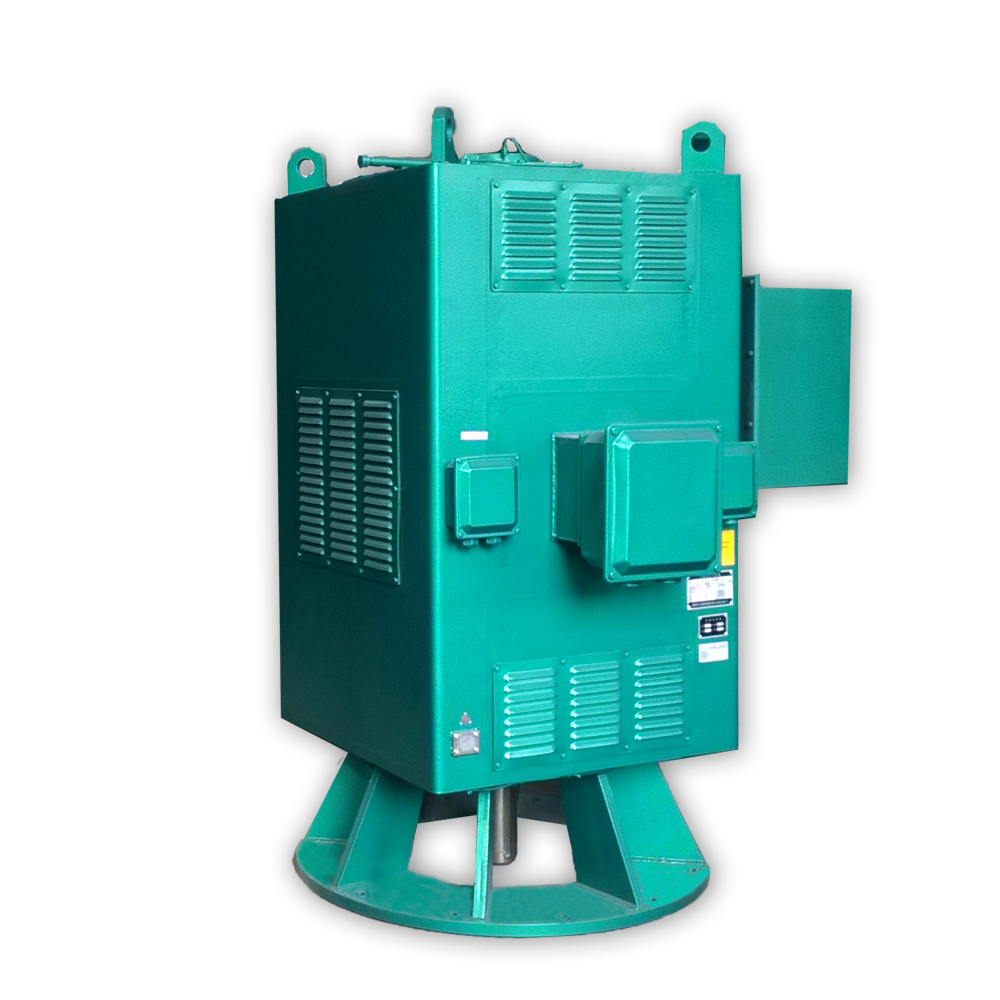


TAWC Ahead of the Curve More Than a Supplier - A Partner
TAWC Ahead of the Curve More Than a Supplier - A Partner signals a shift from transactional buying to strategic collaboration. For global procurement teams, a true partner delivers more than parts: design input, scalable manufacturing, and risk-aware planning. A Shandong-based motor solutions provider emphasizes co-creation—customized solutions, engineering support, and predictive schedules aligned with project milestones, not just bill dates. This is about consistency, clarity, and shared outcomes across complex supply chains. With a partner mindset, global buyers gain stability through rigorous quality management, transparent traceability, and resilient supply chains. Lean production, automation, and continuous improvement reduce variance and lead times. Localized service, multilingual support, and dependable after-sales care ensure performance in diverse markets. In a volatile world, this approach turns procurement from a supplier relationship into a reliable collaboration that speeds innovation and sustains growth.
| Dimension | Definition | 2022 | 2023 | 2024 | 2025 | Notes |
|---|---|---|---|---|---|---|
| Delivery Reliability | On-time delivery rate across all orders | 96.2% | 97.1% | 97.8% | 98.5% | Sustained improvement through route optimization and diversification |
| Quality Performance | Defect rate per million opportunities (DPMO) | 42 | 34 | 28 | 15 | Lean initiatives reduced defects by accelerating problem solving |
| Innovation Collaboration | Joint development initiatives per year | 4 | 6 | 7 | 9 | Roadmap alignment with cross-functional teams |
| Sustainability Progress | ESG index (0-100, composite) | 72 | 78 | 83 | 88 | Energy efficiency and waste reduction initiatives increased score |
| Responsiveness | Average time to acknowledge and assign issues | 3.2 | 2.8 | 2.0 | 1.6 | Quicker triage and routing to specialized teams |
| Resource Alignment | Cross-functional alignment score | 68 | 72 | 78 | 85 | Better governance and shared objectives across departments |
| Data Transparency | Data sharing maturity | 60 | 65 | 72 | 80 | Standardized dashboards and accessible dashboards |
| Operational Resilience | Recovery time objective (RTO) for disruptions | 12 | 8 | 6 | 4 | Robust disaster recovery and business continuity plans |
| Customer Alignment | Joint business planning engagement rate | 40 | 45 | 52 | 60 | Frequent alignment meetings and shared milestones |
| Risk Management | Mitigation readiness score | 70 | 74 | 79 | 83 | Scenario planning and proactive risk controls |
Related Products


TAWC in 2025 Ahead of the Curve
Top Selling Products


- Related Blog
- Reviews
- Reviews
